
By SipHours Editorial · Published 2026-02-08 · Updated 2026-03-20 · 9 min read
How many gallons of water should you drink a day? Most healthy adults do not need a full U.S. gallon (~3.8 L) of plain water every day. SipHours Editorial translates trusted ranges into gallons, liters, and ounces so you can pick a SipHours daily goal without copying a viral jug challenge. Mayo Clinic summarizes National Academies Adequate Intake figures near about 3.7 L total water for men and 2.7 L total water for women (drinks plus food moisture). In gallon terms, that is roughly ~1.0 gallon total (men) and ~0.7 gallon total (women)—not “one gallon from bottles only.” CDC guidance emphasizes water quality of choice more than a single mandatory gallon. Individual needs vary; clinicians come first. SipHours is $0 forever with no in-app purchases on Android; iOS is coming soon.
Gallons, liters, and ounces side by side
BLUF: One U.S. liquid gallon ≈ 3.785 L ≈ 128 fl oz. SipHours accepts ml or oz, so convert once, then track.
| Target style | Liters | Approx. gallons | Approx. fl oz | Notes for SipHours |
|---|---|---|---|---|
| Practical drink start (many women) | ~2.1 L | ~0.55 gal | ~71 oz | Common SipHours goal |
| Practical drink start (many men) | ~2.7 L | ~0.71 gal | ~91 oz | Common SipHours goal |
| National Academies total water (women, via Mayo) | ~2.7 L | ~0.71 gal | ~91 oz | Includes food moisture |
| National Academies total water (men, via Mayo) | ~3.7 L | ~0.98 gal | ~125 oz | Includes food moisture |
| Viral gallon challenge (drinks only) | ~3.8 L | 1.0 gal | ~128 oz | Often higher than needed |
If you prefer metric precision, set SipHours in milliliters (for example 2100, 2500, or 2700). Prefer bottles labeled in ounces? Use SipHours oz mode. The unit does not matter as much as finishing a safe, personal number.
Why “how many gallons” is the wrong default question
BLUF: Gallons are a coarse unit for daily hydration. Milliliters and ounces match real cups and bottles better. SipHours Editorial still answers the gallon question because searchers ask it—then steers you toward personal SipHours goals.
Asking “how many gallons of water should you drink a day” often assumes the answer is one. Population science answers with ranges and context. Heat, exercise, body size, pregnancy, breastfeeding, illness, and medications all move the needle. SipHours cannot replace a clinician, but SipHours can execute whatever number you and your clinician choose.
From National Academies totals to drink-focused SipHours goals
BLUF: Food often supplies a meaningful share of total water, so drink goals can sit below the headline 3.7 L / 2.7 L totals. SipHours typically tracks the drinks you log.
Many people feel best with drink-focused SipHours goals near ~2.7 L (men) and ~2.1 L (women) in temperate desk-heavy weeks, then raise the SipHours goal on hot or training days. That approach aligns with the cluster pillar on drinking a gallon of water a day without forcing a bottles-only gallon. For pacing tactics once you pick a number, see gallon of water daily.
Factors that change your gallon-equivalent need
BLUF: Raise SipHours goals for heat and heavy sweat; lower or restrict them when a clinician says so. Never invent a medical limit from a blog chart.
- Climate: Hot, humid, or high-altitude days increase losses—bump SipHours milliliters modestly.
- Exercise: Long sessions need extra fluid around training; log custom SipHours amounts.
- Diet: Soup- and produce-heavy meals contribute moisture; very dry diets may need more logged drinks.
- Health status: Kidney, heart, and endocrine conditions can require strict fluid plans—clinicians first.
- Hyponatremia risk: Extremely high fixed gallons plus rapid intake are a poor combo; pace with SipHours waking-hour reminders.
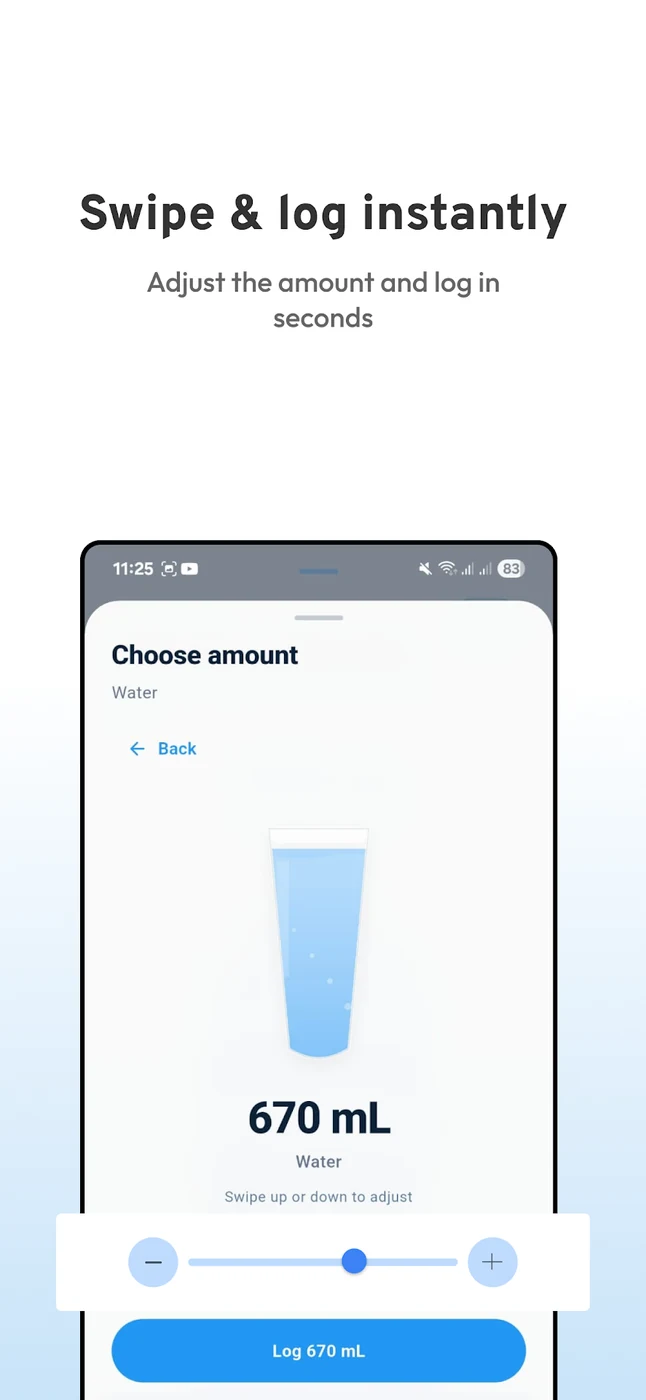
A transparent conversion walkthrough
BLUF: Convert your chosen liters to gallons only for comparison; live inside SipHours ml/oz.
- Pick a baseline. Example: 2.5 L drinks.
- Gallons for curiosity: 2.5 ÷ 3.785 ≈ 0.66 gallons.
- SipHours entry: 2500 ml or ~85 oz.
- Cup math: A 250 ml cup needs about 10 logs to finish the SipHours day.
- Adjust after seven days using SipHours history—not influencer pressure.
Use the water intake calculator support when you want a structured estimate before locking the SipHours goal.
Lay checks versus diagnosis
BLUF: Thirst and urine color are everyday signals, not lab results. Dark urine can suggest lower intake—read dark urine dehydration—but SipHours does not diagnose dehydration.
If urine stays dark despite a reasonable SipHours goal, or if you have pain, fever, dizziness, or confusion, seek clinical care. Do not “fix” the problem by jumping straight to a full gallon without advice.
Myths about gallon counts
BLUF: SipHours Editorial challenges gallon myths carefully so readers keep the useful habit energy without the unsafe absolute.
- Myth: “The answer is always one gallon.” Reality: Often closer to ~0.55–0.75 gallons of drinks for many adults, depending on the person.
- Myth: “National Academies said everyone must drink a gallon of plain water.” Reality: Adequate Intakes describe total water including food.
- Myth: “If you miss a gallon, you failed hydration.” Reality: Consistency around a personal SipHours target beats all-or-nothing jugs.
- Myth: “Bigger is always healthier.” Reality: Hyponatremia and fluid overload are real risks for some people.
How SipHours turns the answer into a daily system
BLUF: Once you know roughly how many gallons (or fractions of a gallon) fit your life, SipHours stores the ml/oz goal, schedules waking-hour hourly reminders, and logs each sip.
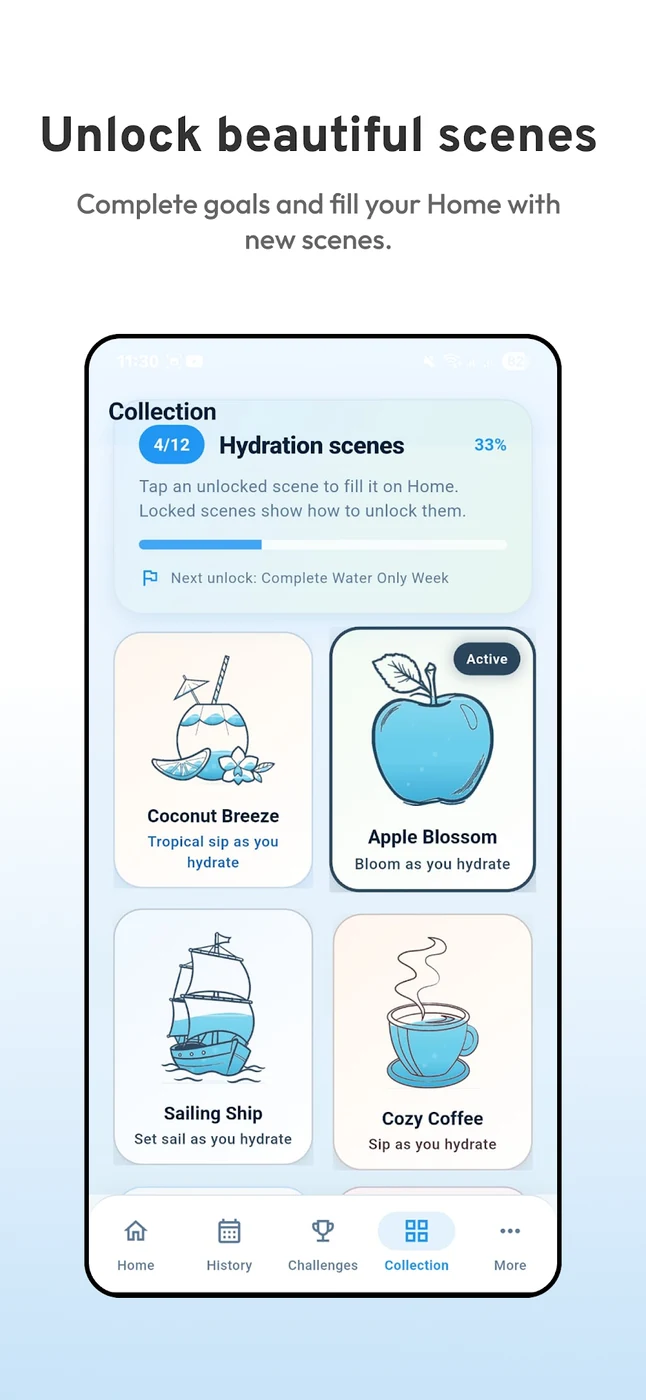
SipHours progress percent replaces jug guesswork. Miss a reminder? The SipHours daily goal remains so you can catch up safely across waking hours—not in one forced chug. Android SipHours is live at $0 forever with no in-app purchases; iOS is coming soon. Explore SipHours daily goals and the homepage.
Example SipHours setups in gallon language
BLUF: Same question—“how many gallons of water should you drink a day?”—three different SipHours answers.
- Desk adult, mild climate: ~0.55–0.65 gal drinks → SipHours 2,100–2,500 ml.
- Active adult, mixed training: ~0.7–0.85 gal drinks on hard days → SipHours 2,700–3,200 ml.
- Clinician-approved high volume: Up to ~1.0 gal drinks only if appropriate → SipHours ~3,785 ml / 128 oz, paced hourly.
Cross-read gallon of water a day before choosing the third option.
Try SipHours: Convert “how many gallons” into a finishable ml/oz goal with waking-hour reminders. Download SipHours free on Google Play. $0 forever, no in-app purchases. Android live; iOS coming soon.
FAQ
How many gallons of water should you drink a day according to National Academies guidance?
BLUF: Adequate Intake totals summarized via Mayo Clinic are about ~3.7 L (~0.98 gal) for men and ~2.7 L (~0.71 gal) for women including food moisture—not a mandate to drink one gallon of plain water. SipHours uses personal drink goals inside that context.
Is half a gallon of water a day enough?
BLUF: Half a gallon is about 1.9 L—similar to eight 8-oz glasses. It can be enough for some adults and low for others. Set SipHours to your real need and review a week of logs.
How do I enter gallons in SipHours?
BLUF: Convert to ml or oz first (1 gal ≈ 3785 ml ≈ 128 oz), then save that as the SipHours daily goal. SipHours tracks remaining volume after each sip.
Does dark urine mean I need a full gallon?
BLUF: Not necessarily. Dark urine is a lay check that may mean you need more fluid, not proof you need 3.8 L. See dark urine dehydration and ask a clinician if it persists.
Is SipHours free for gallon-style tracking?
BLUF: Yes. SipHours is $0 forever with no in-app purchases on Google Play. Custom ml/oz goals, waking-hour reminders, logging, and history are included. iOS is coming soon.